
Текущий выпуск
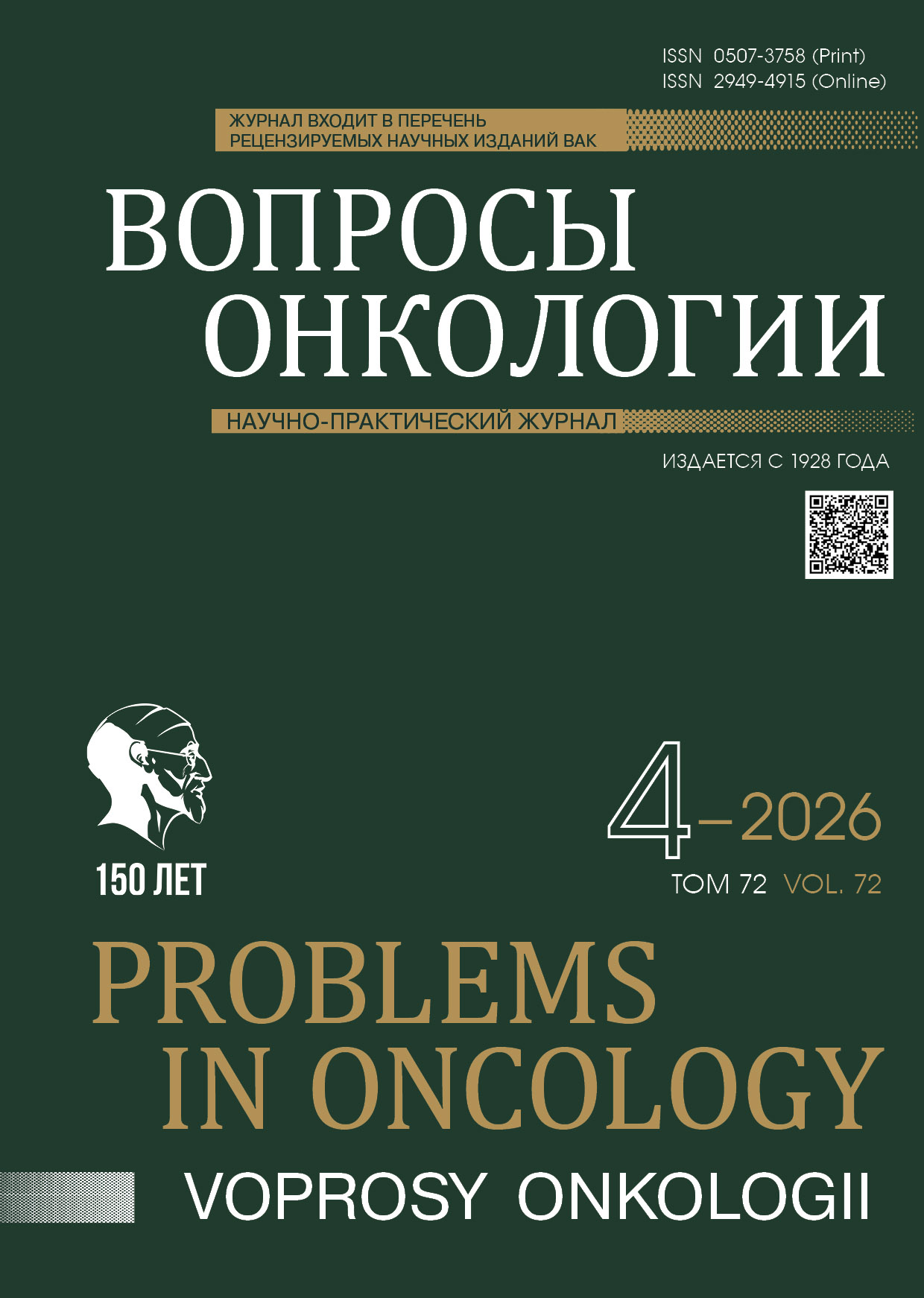
Научно-практический журнал «Вопросы онкологии» — официальное рецензируемое издание ФГБУ «НМИЦ онкологии им. Н.Н. Петрова» Минздрава России. Издается с 1928 года. Журнал посвящен изучению злокачественных новообразований и борьбе с ними. Журнал входит в Белый список/Единый государственный перечень научных изданий (уровень 1), Перечень рецензируемых научных изданий ВАК при Минобрнауки России (категория К1), Russian Science Citation Index (RSCI) на базе Web of Science, РИНЦ, SCOPUS.
 Свободная подача рукописей
Индексация
Рецензируемый
Свободная подача рукописей
Индексация
Рецензируемый
Журнал в Перечне рецензируемых научных изданий ВАК при Минобрнауки России, в котором должны быть опубликованы основные научные результаты диссертаций на соискание ученой степени кандидата наук и на соискание ученой степени доктора наук, по шести научным специальностям:
3.1.6. Онкология, лучевая терапия (медицинские науки)
3.1.6. Онкология, лучевая терапия (биологические науки)
1.5.4. Биохимия (медицинские науки)
3.1.25. Лучевая диагностика (медицинские науки)
3.1.9. Хирургия (медицинские науки)
3.1.4. Акушерство и гинекология (медицинские науки)
ОРИГИНАЛЬНЫЕ СТАТЬИ. КЛИНИЧЕСКИЕ ИССЛЕДОВАНИЯ
ОРИГИНАЛЬНЫЕ СТАТЬИ. ПРОТОКОЛЫ КЛИНИЧЕСКИХ ИССЛЕДОВАНИЙ
ОРИГИНАЛЬНЫЕ СТАТЬИ. ЭКСПЕРИМЕНТАЛЬНЫЕ ИССЛЕДОВАНИЯ
ОПЫТ РАБОТЫ ОНКОЛОГИЧЕСКИХ УЧРЕЖДЕНИЙ
КЛИНИЧЕСКИЙ СЛУЧАЙ
ОБЗОРЫ
ИСТОРИЯ ОНКОЛОГИИ
Журнал входит в Перечень рецензируемых научных изданий ВАК при Минобрнауки России (категория К1), рекомендованных для публикаций статей, содержащих материалы кандидатских и докторских диссертаций, Russian Science Citation Index (RSCI) на базе Web of Science, РИНЦ, «Белый список» научных журналов, Scopus.
Журнал в «Перечне рецензируемых научных изданий, в которых должны быть опубликованы основные научные результаты диссертаций на соискание ученой степени кандидата наук, на соискание ученой степени доктора наук» по специальностям:
- 3.1.6. Онкология, лучевая терапия (медицинские науки)
- 3.1.6. Онкология, лучевая терапия (биологические науки)
- 1.5.4. Биохимия (медицинские науки)
- 3.1.25. Лучевая диагностика (медицинские науки)
- 3.1.9. Хирургия (медицинские науки)
- 3.1.4. Акушерство и гинекология (медицинские науки)
Журнал предоставляет непосредственный открытый доступ к своему контенту, исходя из принципа бесплатного распространения академических знаний среди читателей: публикации полностью доступны читателям бесплатно и плата за статью не взимается.
Журнал зарегистрирован Федеральной службой по надзору в сфере связи, информационных технологий и массовых коммуникаций (Роскомнадзор).
Свидетельство о регистрации СМИ—ПИ № ФС77 47156 от 3 ноября 2011 г.
ISSN 0507-3758 (Print)
ISSN 2949-4915 (Online)
Издатель © АННМО «Вопросы онкологии», Copyright (c) 2017-2025



ИНДЕКСАЦИЯ




































РЕЙТИНГ

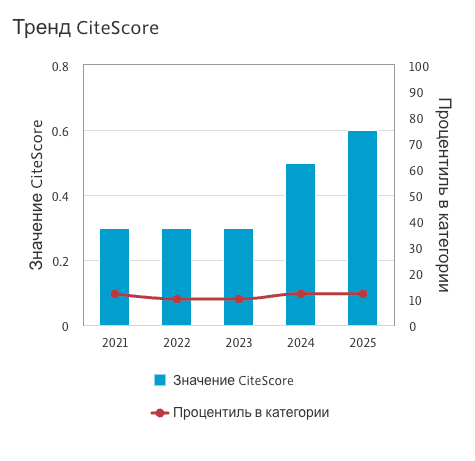
за 2025 год